



Challenges
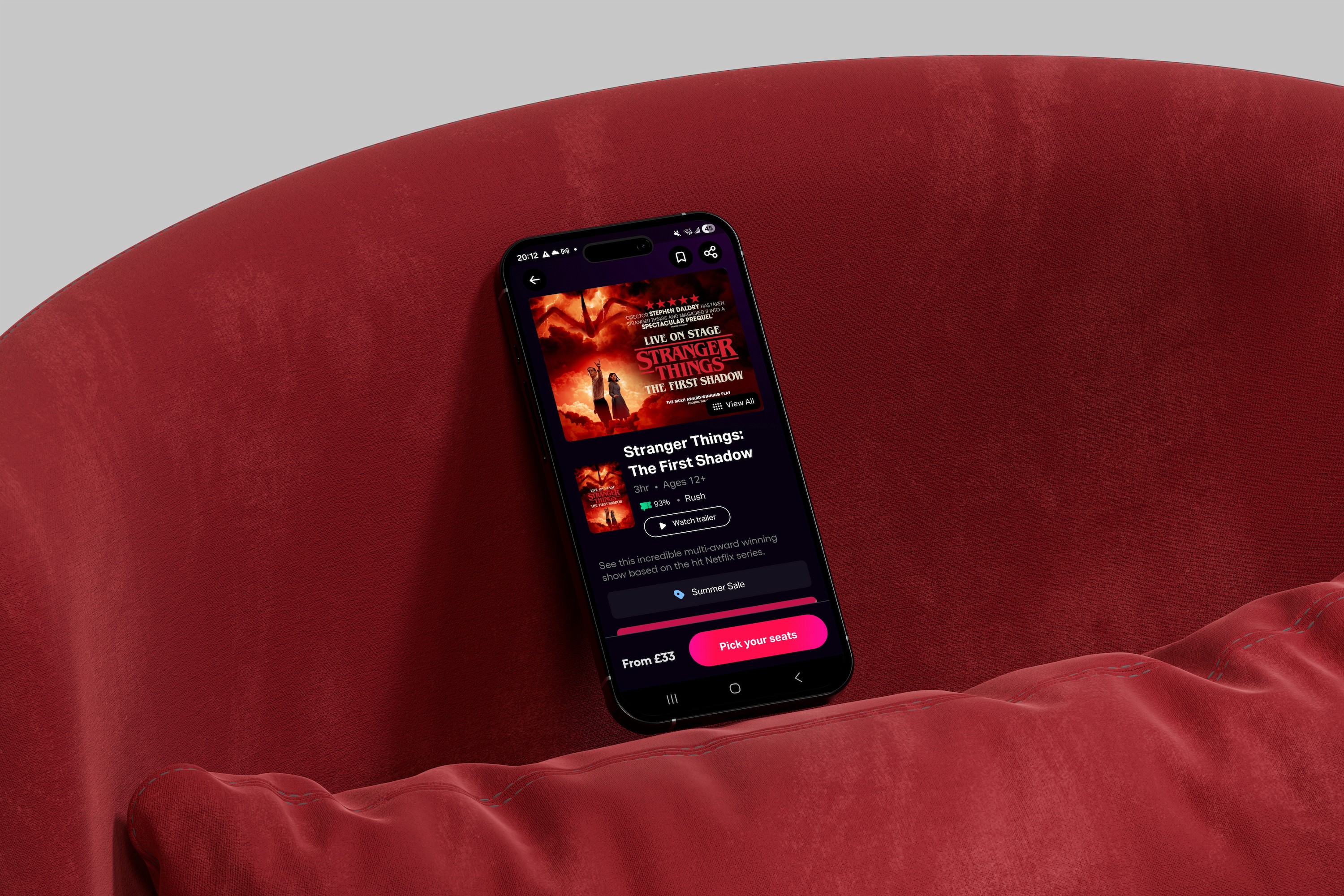
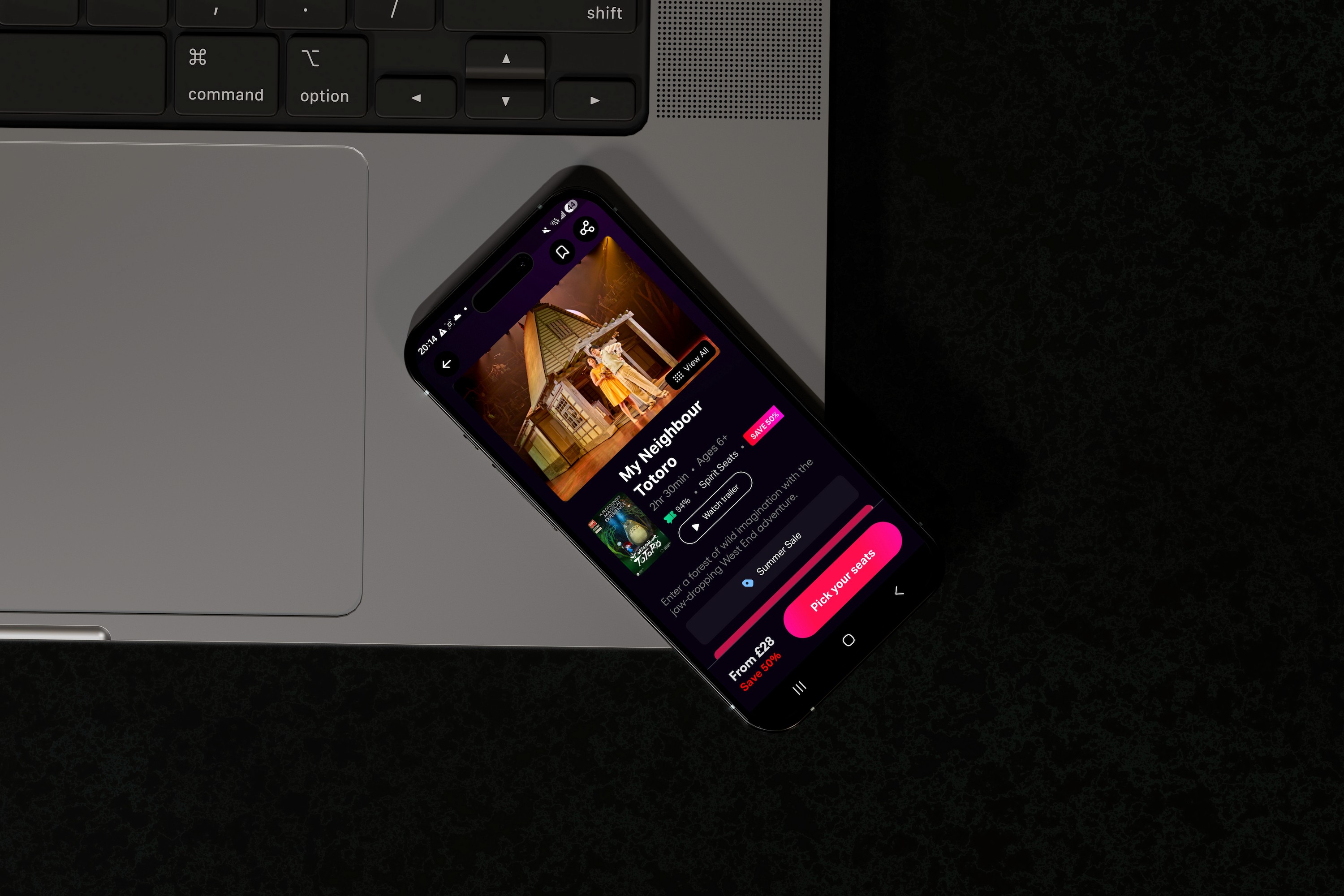
TodayTix was built around a clear mission: make theatre and cultural experiences easier to discover, access, and book. Its early success came from challenging the friction of traditional theatre ticketing through mobile-first booking, rush tickets, lotteries, same-day offers, and a more approachable way for younger audiences to engage with live performance. After the Encore Tickets acquisition, the challenge was to scale that experience into the UK market while supporting the realities of London’s West End. The platform needed to handle different show inventory, booking options, ticketing behaviours, payment needs, and partner requirements, while still feeling simple and accessible to audiences. COVID-19 created an additional layer of complexity. Theatre venues were under severe pressure, audiences could not attend in the same way, and the business needed to support new revenue models and digital access to performance. This meant the design system had to do more than modernise the interface. It had to create a flexible foundation for discovery, booking, streaming, white-label experiences, and future platform growth.
My role
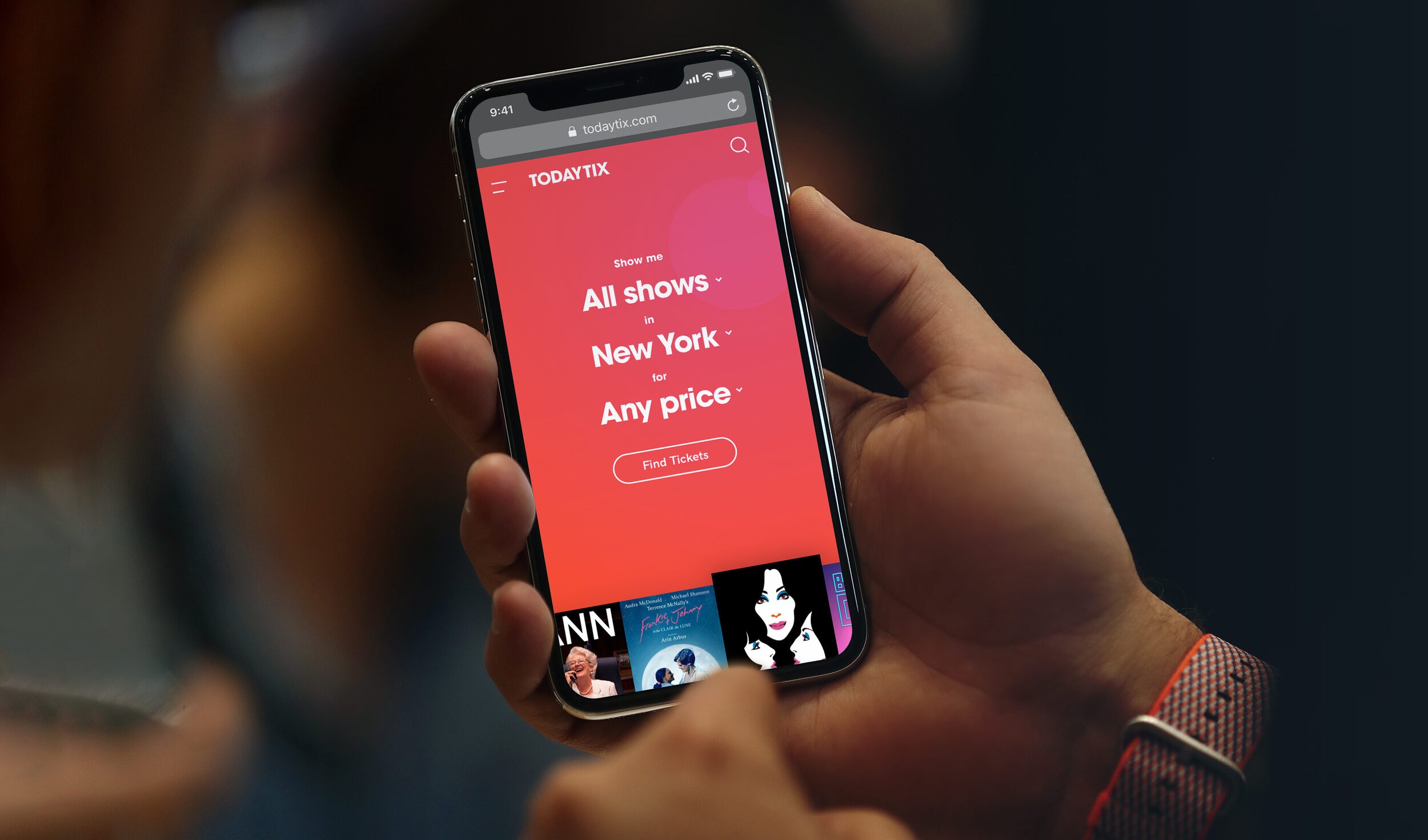
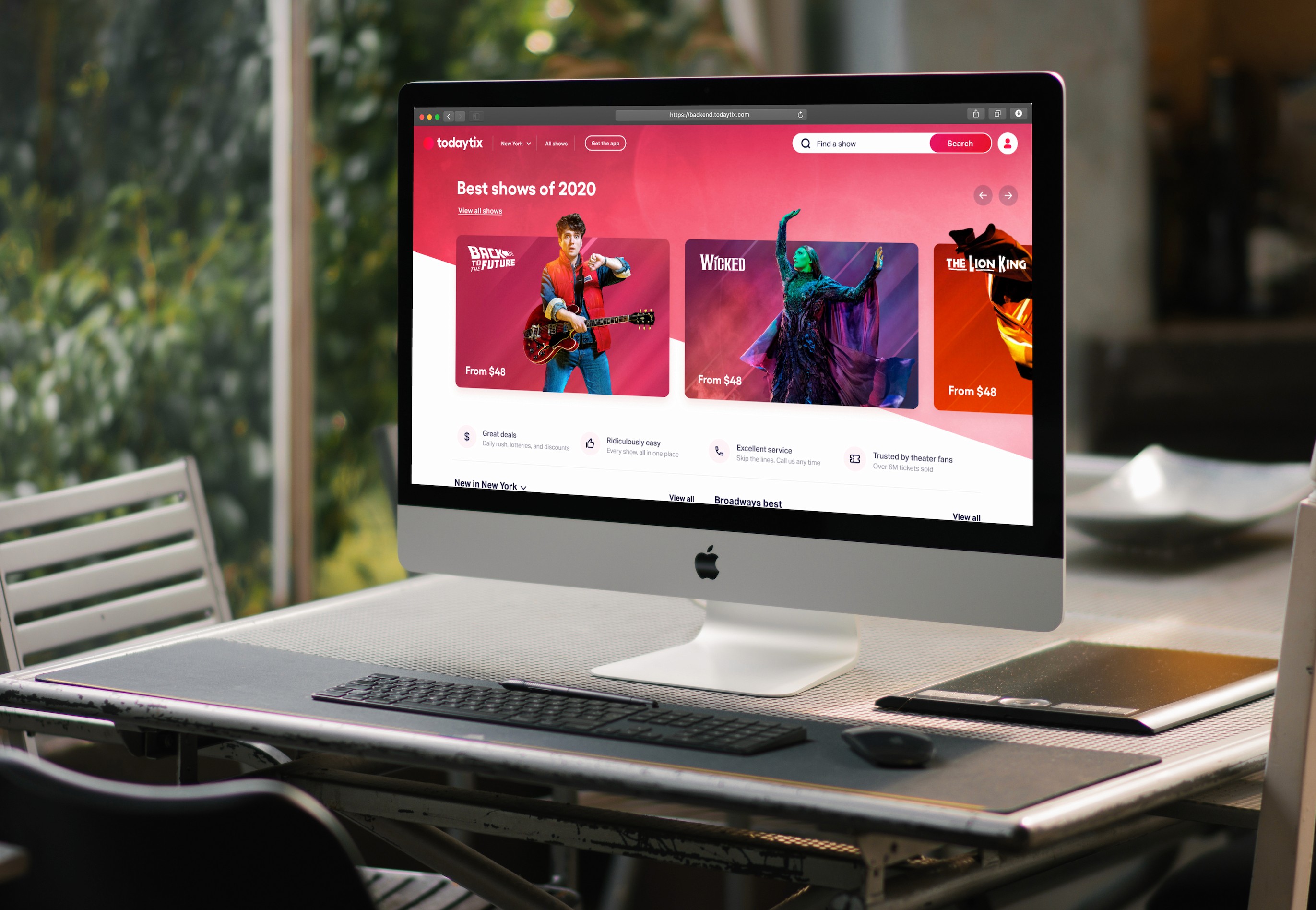
As Senior Product Designer, my primary contribution was rebuilding the TodayTix design system and core booking foundations for cross-platform scale. This included modernising the UI, introducing updated brand elements, building a new font library, defining core flow components, and preparing the system to work across native app and web. The work supported both the consumer-facing TodayTix experience and the broader TodayTix Group platform, including white-label ticketing experiences for partners. I also helped establish the UXR vertical from scratch. I ran deep-dive testing with audiences across New York and London to understand what users needed from the product, how they approached theatre discovery, and where the booking experience could better support confidence, clarity, and accessibility.
Approach
I focused the work around four connected priorities.
1. Rebuilding the design system for scale
The TodayTix product needed a more flexible system that could support native app, web, and white-label experiences. I worked on the core UI foundations, typography, brand expression, reusable components, and booking patterns needed to help the platform scale beyond a single market or product surface.
2. Improving booking and discovery
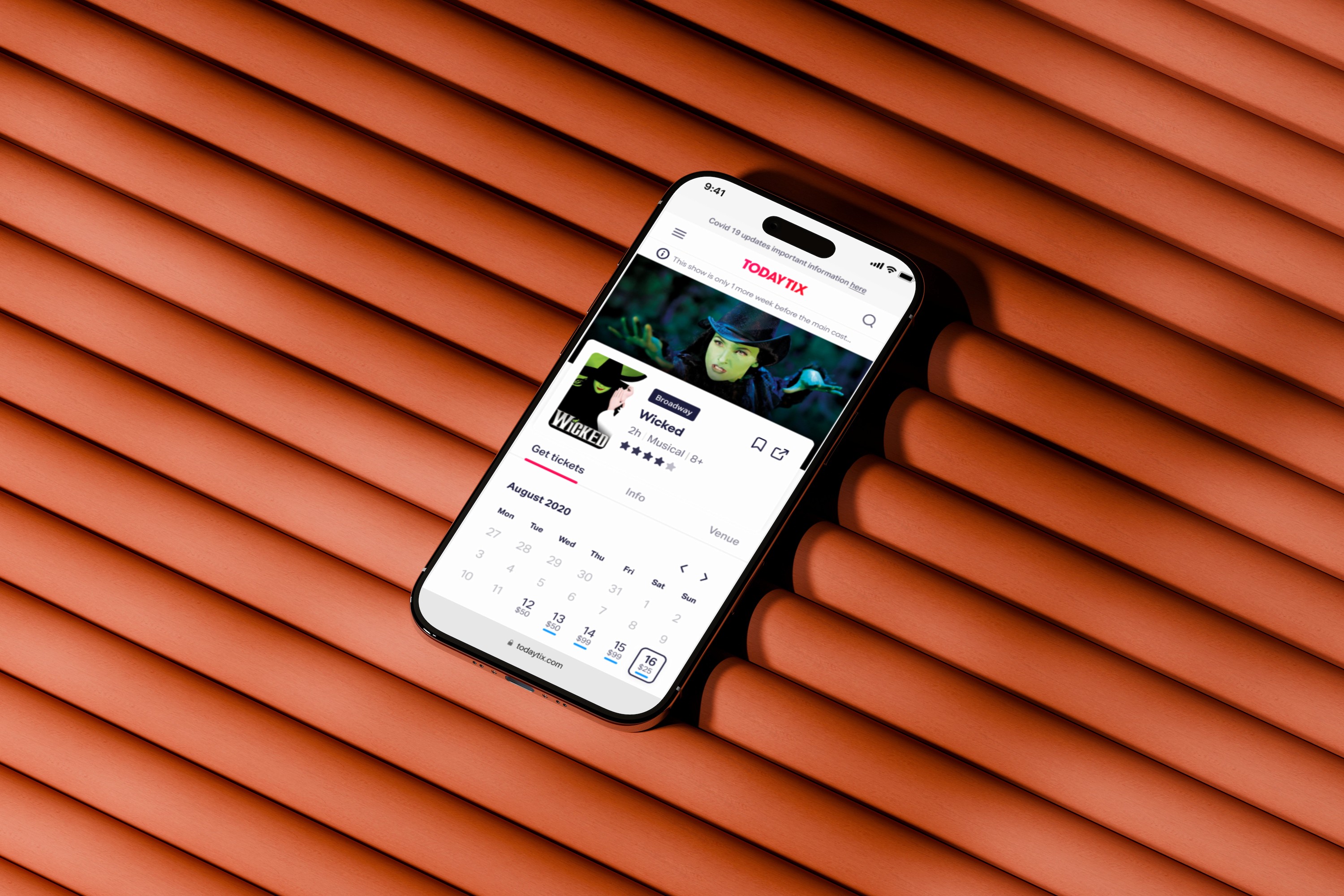
The system needed to support the way audiences actually choose theatre tickets: browsing shows, comparing dates, understanding ticket types, reviewing availability, entering lotteries, accessing rush tickets, and completing checkout with confidence. The goal was to reduce friction without losing the excitement of discovering live performance.
3. Supporting global and white-label capabilities
As TodayTix evolved into TodayTix Group, the design system needed to support more than the main consumer app. It had to extend into white-label experiences, partner ticketing, global payments, and different booking contexts across markets. This required a system that could flex across brand, product, and operational needs.
4. Building research into the product process
I helped establish UXR as a core input into product design. Through testing with audiences in New York and London, we used research to understand user expectations, validate flow decisions, and ensure the system reflected what theatregoers actually needed from the booking experience.
Impact
The work created a stronger product foundation for TodayTix during a critical period of international expansion and industry disruption. The rebuilt design system helped unify the product experience across native app and web, while giving the business a more scalable foundation for booking flows, show discovery, checkout, global payments, and white-label ticketing experiences. It also supported TodayTix Group’s broader platform ambitions, where the company now describes itself as connecting a global audience of more than 20 million with cultural inventory across theatres, producers, and institutions. The project also helped mature the role of design and research inside the organisation. By establishing UXR practices, testing with audiences across New York and London, and working closely with product, engineering, brand, and executive teams, design became a stronger partner in shaping the direction of the platform.




Final thoughts
TodayTix was a rewarding project because it combined consumer product design, marketplace complexity, and a genuine cultural mission. The company was growing quickly, but still small enough that design could work closely with product leaders, engineers, executives, and the CEO to influence direction.
It was also my first experience building a UXR vertical from scratch and working on a comprehensive white-label system with global payments. The pandemic made the work more complex, but it also made the mission feel more meaningful: helping people access theatre, culture, and live performance at a time when the industry was under enormous pressure. For me, the project reinforced the value of design systems as more than UI libraries. In this context, the system became a way to support expansion, booking confidence, partner flexibility, and the wider mission of making theatre more accessible for future audiences.

Next projects.
(2016-25©)


3. Supporting global and white-label capabilities
As TodayTix evolved into TodayTix Group, the design system needed to support more than the main consumer app. It had to extend into white-label experiences, partner ticketing, global payments, and different booking contexts across markets. This required a system that could flex across brand, product, and operational needs.