


Challenges
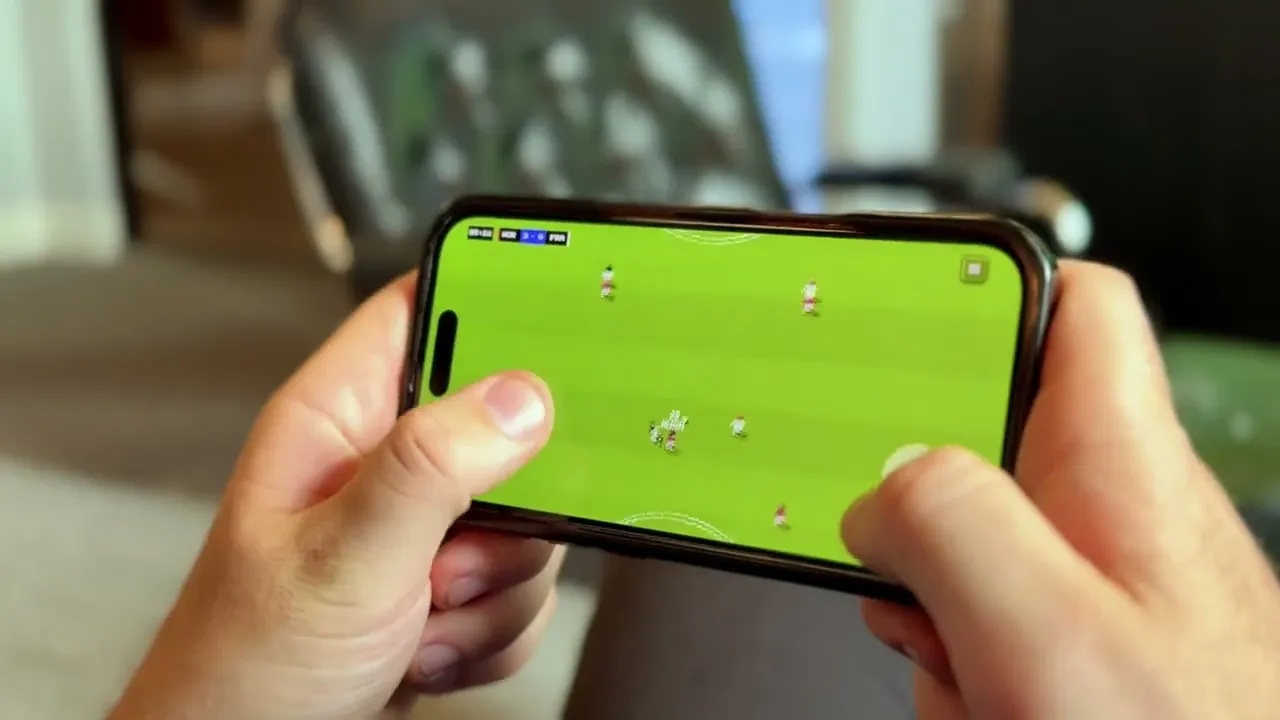
The EA SPORTS App was already live in production, but it was still operating as a pre-market fit product. Over several years, the product had moved through multiple teams and accumulated significant complexity across strategy, experience, implementation, and ownership. A key challenge was that the product had been shaped more by strategic assumptions than by sustained market-fit research or player insight. The experience was heavily weighted toward sports content and news, which made it difficult to establish a distinct player-facing value proposition in an already competitive sports interaction market. The product also carried a large amount of design and technical debt. Many parts of the experience were difficult to iterate on, with short-term implementation patterns limiting the team’s ability to learn, adapt, and scale. My role was to help reset the design direction while also improving the foundations that would allow the team to move more effectively.
My role
As Director of Product Design within Ventures, I was responsible for leading the product design direction and helping the team move toward a clearer, more scalable product foundation. My work focused on four areas: restructuring the design team, integrating design more deeply into product and engineering workflows, re-establishing internal ownership, and shifting the product away from fragmented execution toward a shared atomic design system. This meant working beyond the interface itself. The product needed stronger experience direction, clearer team ownership, better design-engineering collaboration, and a more practical approach to AI that could improve how the team worked rather than simply adding another layer of ambiguity.
Approach
I focused the reset around three connected shifts.
1. Rebuilding the design function
I restructured the design team to operate with greater strategic clarity, bringing UX and senior product design closer together. This helped the team move from isolated design execution toward a more intelligence-led product design function, with stronger connection to player needs, product decisions, and engineering realities.
2. Creating shared product foundations
The product needed to move away from fragmented, hard-coded implementation patterns. I led the design direction for a more scalable atomic design system that could create a shared language between design and engineering, reduce rework, and support more consistent product delivery.
3. Making AI practical for the team
Rather than treating AI as a broad ambition, I focused on where it could create practical value for the team. This included making the design system compatible with AI-assisted workflows through MCP and Code Connect, helping create a stronger shared source of truth between design and application code. This gave the team a clearer foundation for using AI in a way that supported delivery, consistency, and decision-making.
Impact
The reset helped reduce significant legacy complexity and gave internal teams clearer ownership of the product experience. By simplifying the operating model, strengthening design-engineering collaboration, and rebuilding the product around scalable foundations, the team was able to operate with greater focus and less ambiguity. While detailed metrics are confidential, the product began showing its strongest performance signals to date following this transformation. For me, the achievement was not only in improving the product experience, but in helping change the conditions around the product so that future learning, iteration, and player value could become more achievable. This has been one of the most challenging pieces of work in my 17-year design career because it required leading design transformation inside a live, complex, pre-market fit product while balancing legacy constraints, team change, and business expectations.


Final thoughts
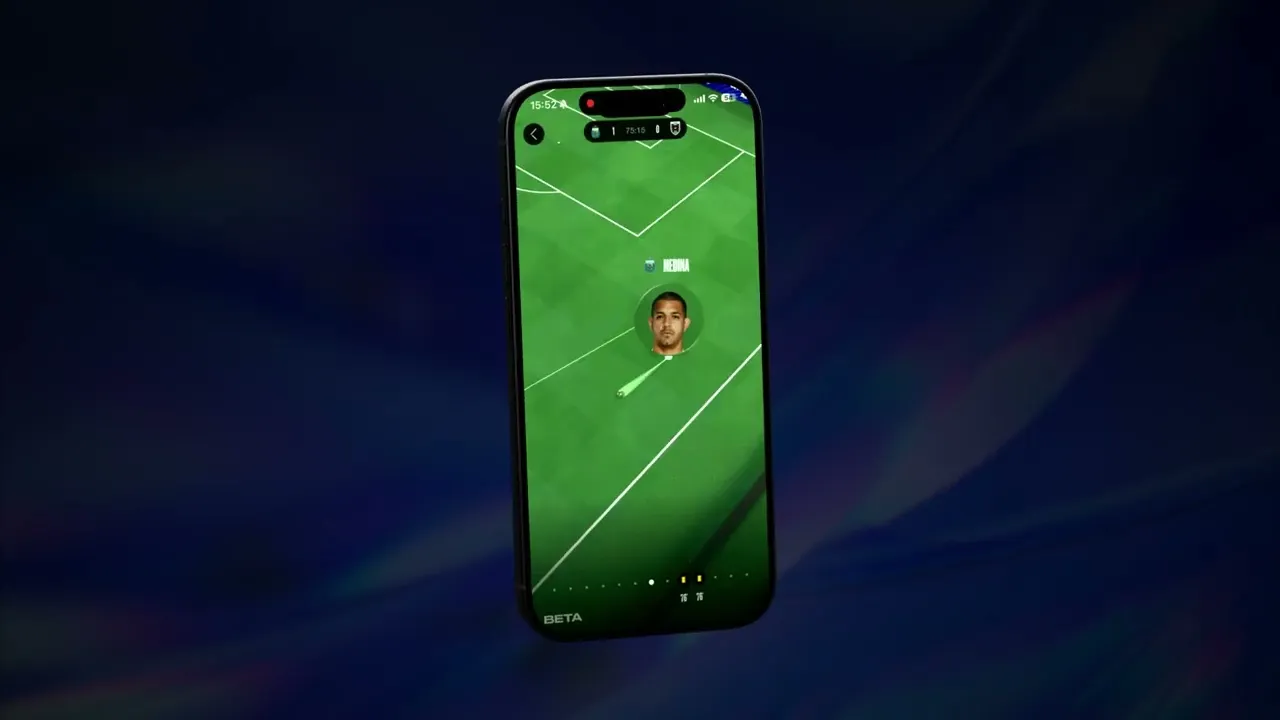
The new EA Sports App has been successfully transformed into an interaction led product that ties directly with live-sports.
For the past 6 months the apps performance metrics have hit its own all time high and the teams delivering the product have a stronger and more confident toolset to work with.

Next projects.
(2016-25©)


3. Making AI practical for the team
Rather than treating AI as a broad ambition, I focused on where it could create practical value for the team. This included making the design system compatible with AI-assisted workflows through MCP and Code Connect, helping create a stronger shared source of truth between design and application code. This gave the team a clearer foundation for using AI in a way that supported delivery, consistency, and decision-making.