


Challenges
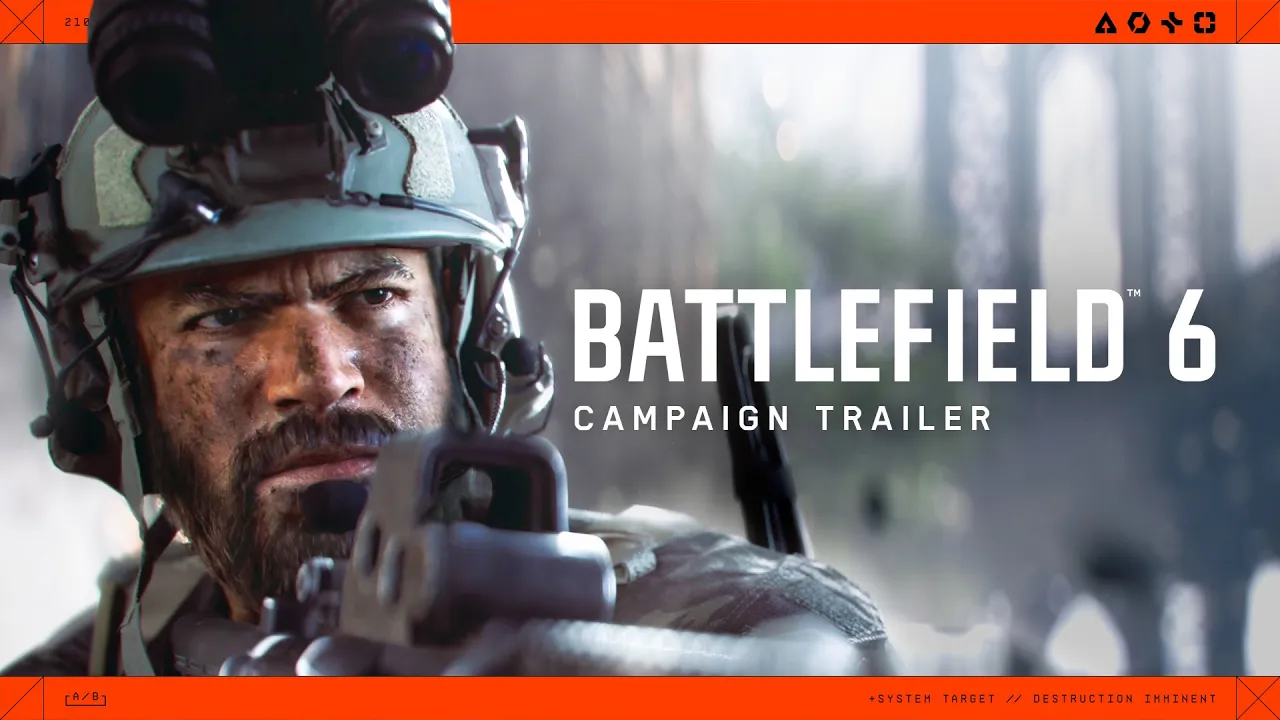
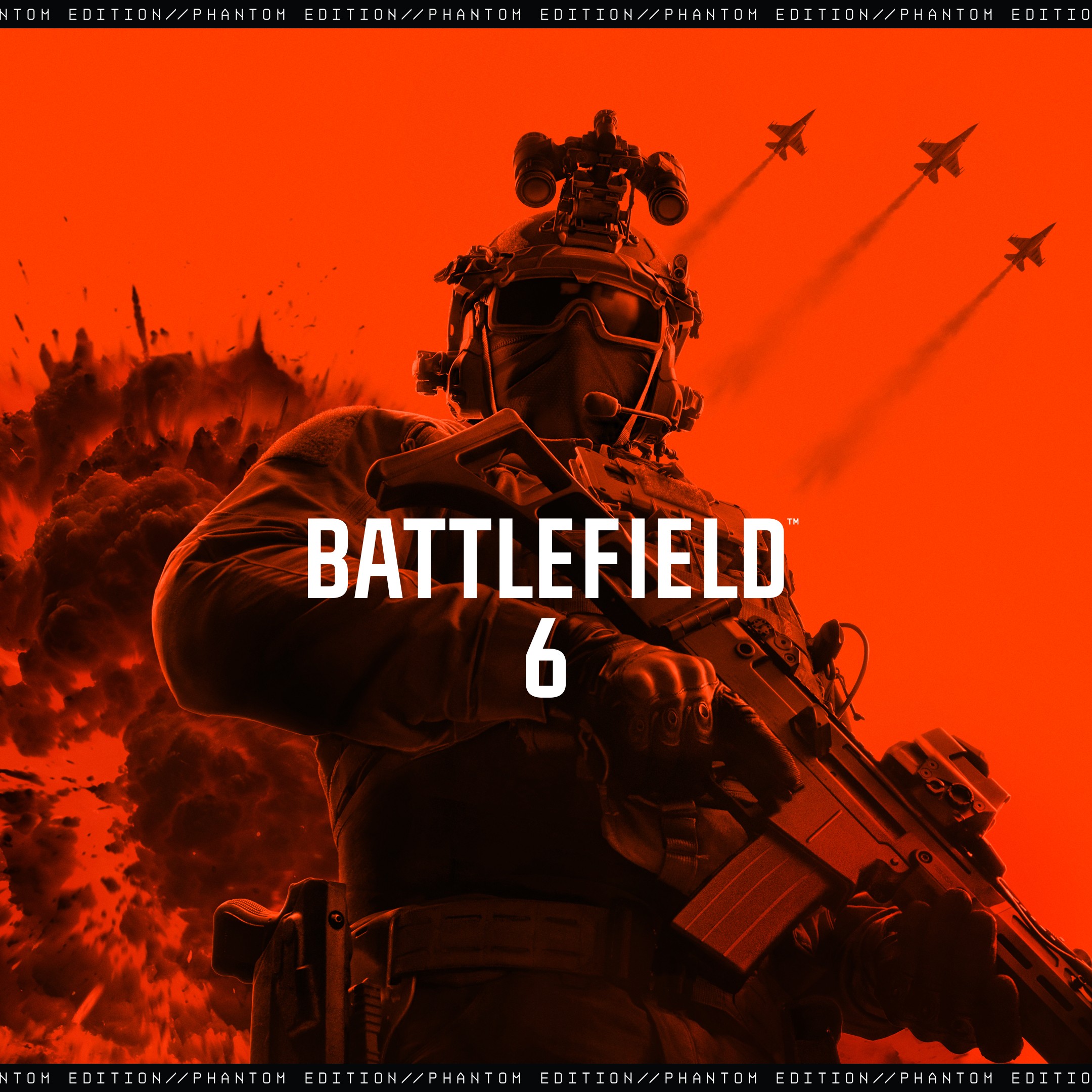
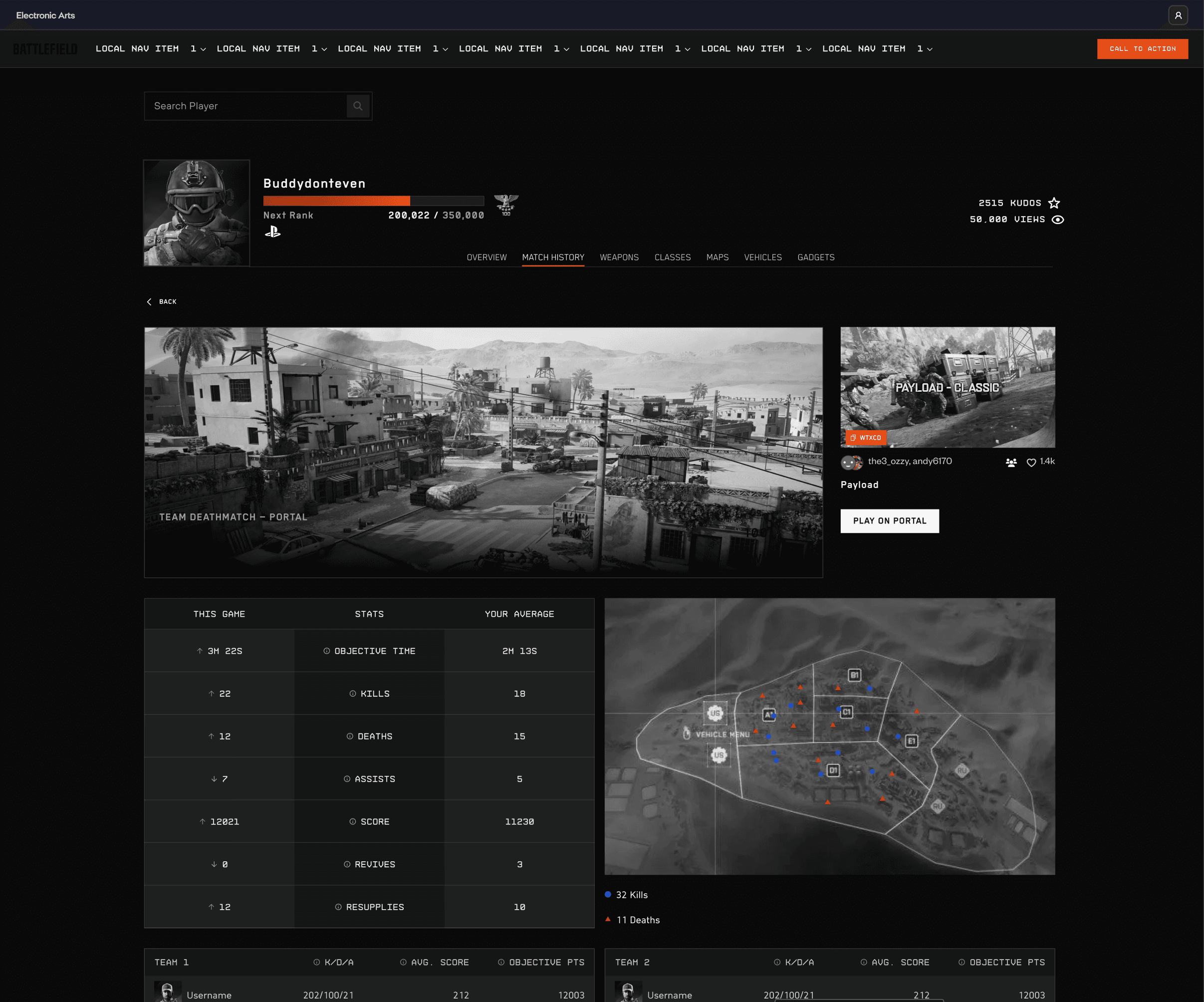
Battlefield 6 was not only a major game launch, but a franchise-defining moment. The release brought together DICE, Criterion, Motive, and Ripple Effect as Battlefield Studios, with a clear need to rebuild player confidence and support the franchise across a broader connected ecosystem. The web experience had to do more than present marketing content. It needed to support the wider Battlefield ecosystem across the core game, REDSEC, Portal, player stats, weapon systems, regular news updates, and creator/community engagement. Battlefield Portal was especially important because it extended the player experience into web-based creation and community experiences, including Portal Builder workflows and REDSEC Portal experiences. Internally, there was a strategic gap around how the web ecosystem would be led and coordinated across teams. Because my team had already built a web platform for UGX programs and was positioned close to innovation work on the web, I stepped in to help establish the product and design strategy needed to support the launch.
My role
My role expanded from product design leadership into broader web strategy and cross-functional coordination. I worked closely with Battlefield leadership, EA Creative, brand and graphic design teams, product, production, development, marketing, social, and web teams to define how the web ecosystem would support Battlefield 6 across pre-launch, launch, and live-service moments. I was responsible for adapting the web platform my team had built over the previous two years so it could support Battlefield 6’s game data, Portal requirements, and secondary player experiences. This also included creating and updating a Battlefield 6 design system direction that could scale across web domains while maintaining consistency with the franchise’s brand and launch goals. A key part of the work was giving teams clearer direction. I redistributed product design support under my leadership, connected the work to marketing and community strategy, and used weekly testing, competitor analysis, and player behaviour analytics to help teams make more informed decisions at speed.
Approach
I focused the work around four connected areas
1. Establishing the web strategy
The first priority was to create a clear strategy for how web would support Battlefield 6 across the full launch cycle. This meant working with senior Battlefield leadership to define how the web ecosystem could support the franchise vision, player education, community confidence, and live content needs.
2. Scaling the platform for Battlefield
My team had already developed a web platform for UGX programs. For Battlefield 6, we needed to evolve that platform to support game data, Portal experiences, player stats, weapon systems, and regular content updates. The goal was to avoid one-off delivery and create a more scalable foundation for the wider ecosystem.
3. Creating a Battlefield 6 design system direction
To support multiple domains and secondary experiences, I created and updated a design system direction for Battlefield 6. This helped bring consistency across web surfaces while giving creative, product, and engineering teams a shared foundation to work from.
4. Using insight to support launch decisions
The work was informed by competitor analysis across games and ecosystems including Call of Duty, Delta Force, Destiny 2, and Fortnite, alongside analysis of UGX programs and our own innovation lab work. We also used weekly user testing and player behaviour analytics to rapidly iterate on decisions and ensure the work stayed connected to player expectations.
Impact
The final proposal was signed off by Battlefield leadership and helped create a clearer web strategy across Battlefield 6, REDSEC, and Portal. The work supported a broader ecosystem of player-facing surfaces, including weapon systems, player stats, regular news updates, creator/community content, and Portal UGX experiences. The launch became the biggest in Battlefield franchise history, with EA reporting over 7 million copies sold in the first three days, more than 172 million online matches, and over 15 million hours watched on streaming platforms during the launch period. For my team, the impact was also operational. The work gave designers, producers, developers, product partners, and creative teams clearer direction during a demanding launch window. It helped senior leaders feel confident that the web ecosystem could support the scale and ambition of the franchise, while giving teams enough structure and air cover to make informed decisions quickly.




Final thoughts
This was one of the most rewarding projects of my career. The schedule was demanding, the stakeholder landscape was complex, and the expectations were high, but the work brought together some of the best parts of product design leadership: creating clarity, aligning teams, protecting momentum, and helping people do strong work under pressure.
It was also personally meaningful. Battlefield was a franchise I had followed since Battlefield 1942, so contributing to a launch of this scale was a genuine career milestone. My role was not to own the success of Battlefield 6 alone, but to help create the conditions around the web ecosystem that allowed teams to support the franchise with confidence, consistency, and care.

Next projects.
(2016-25©)


3. Creating a Battlefield 6 design system direction
To support multiple domains and secondary experiences, I created and updated a design system direction for Battlefield 6. This helped bring consistency across web surfaces while giving creative, product, and engineering teams a shared foundation to work from.